US Orders Civilian Agencies to Rip DeepSeek Out of Government Systems
In brief
- DHS directed U.S. civilian agencies on Monday to remove DeepSeek products and third-party services built on the model from their IT systems, and barred new purchases.
- The notice says DeepSeek use "may result in the transfer of sensitive data to the PRC" and could produce intelligence on U.S. persons and agencies.
- The Commerce Department, the Navy, New York, Tennessee and Virginia had already restricted DeepSeek; the FCC votes October 29 on barring Chinese labs from testing electronics for U.S. use.
The U.S. Department of Homeland Security ordered civilian government agencies on Monday to remove DeepSeek, China’s best-known AI chatbot, from their computer systems and to stop buying it, along with any outside service built on top of it.
DHS says the models pose “multiple threat vectors,” meaning several separate ways things can go wrong. Using them “may result in the transfer of sensitive data to the PRC”—the People’s Republic of China—if government employees or vendors use them, and could produce “actionable intelligence on U.S. persons and/or government agencies.”
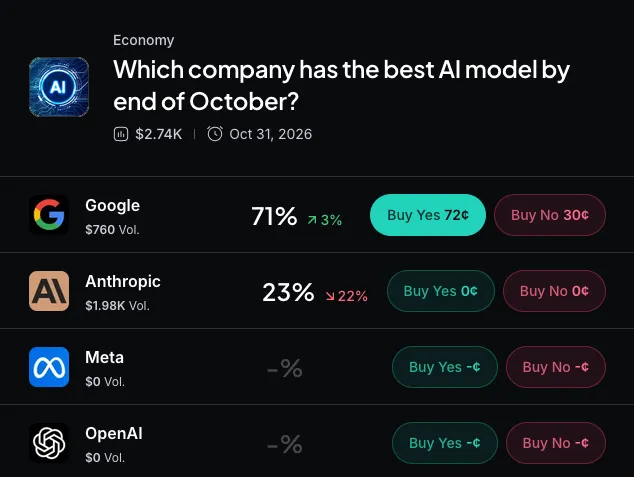
Deepseek is an open source model that can run locally or hosted by any provider, not just China based. For example, Perplexity runs its own servers located in the United States. That said, the developers host a version in servers located in China for those using Deepseek.com’s services.
The ban reaches past DeepSeek’s own app to third-party services developed using it.
A July DHS memo, made public Monday, had already told agencies to monitor traffic flowing in and out of government websites for DeepSeek-related risks. The Commerce Department and the Navy previously banned DeepSeek on government devices, and New York, Tennessee and Virginia have taken similar steps. The Chinese Embassy in Washington did not immediately comment.
DeepSeek, a Hangzhou-based startup, became a household name on Jan. 27, 2025, when its open-source model, built for under $5 million, knocked Nvidia’s stock down 16% and erased about $600 billion of the chipmaker’s value. U.S. tech as a whole lost an estimated $1 trillion that day, because Deepseek proved to be similarly capable than America’s best models while costing a fraction of the price, with the possibility of running for free on the appropriate infrastructure.

 →
Italy’s data protection authority also ordered DeepSeek to block its chatbot days later, calling the company’s answers to its privacy questions “totally insufficient.” In April 2025, a House select committee on the Chinese Communist Party alleged that DeepSeek secretly sends American user data to the Chinese government..
The same committee said DeepSeek may have used about 60,000 Nvidia chips, including 20,000 restricted under U.S. export controls, the rules that bar selling the most advanced AI chips to China.
DeepSeek has kept shipping since: the preview of its V4-Pro model, released in April, is priced about 98% below OpenAI’s GPT-5.5 Pro and is free to download and modify under an MIT license, and this week it released an updated version of its V4.1-Flash model aimed at efficiency with big quality gains.
The notice lands in the middle of a wider federal push against Chinese technology as the Federal Communications Commission votes on October 29 on barring all Chinese labs from testing electronics for U.S. use.
Related stories

U.S. CFTC rebuffs CME legal stance in consequential fight over perpetual futures

SkyAI sells off entire Solana treasury as it launches $201 million buyback
‘Terrifying Precedent’: Dutch Hand US Data From Seized Anti-Fascist Server